Space for the workshops
CaRina does not stop at the rooms where people sleep. Beside the hospitality spaces, we are imagining places meant for making: a ceramics workshop, an equipped joinery, a bike workshop open to passers-by, a shared laundry overlooking the garden. Simple spaces, built with care, meant to be used and shared. Here we tell their story, one by one.
The ceramics workshop
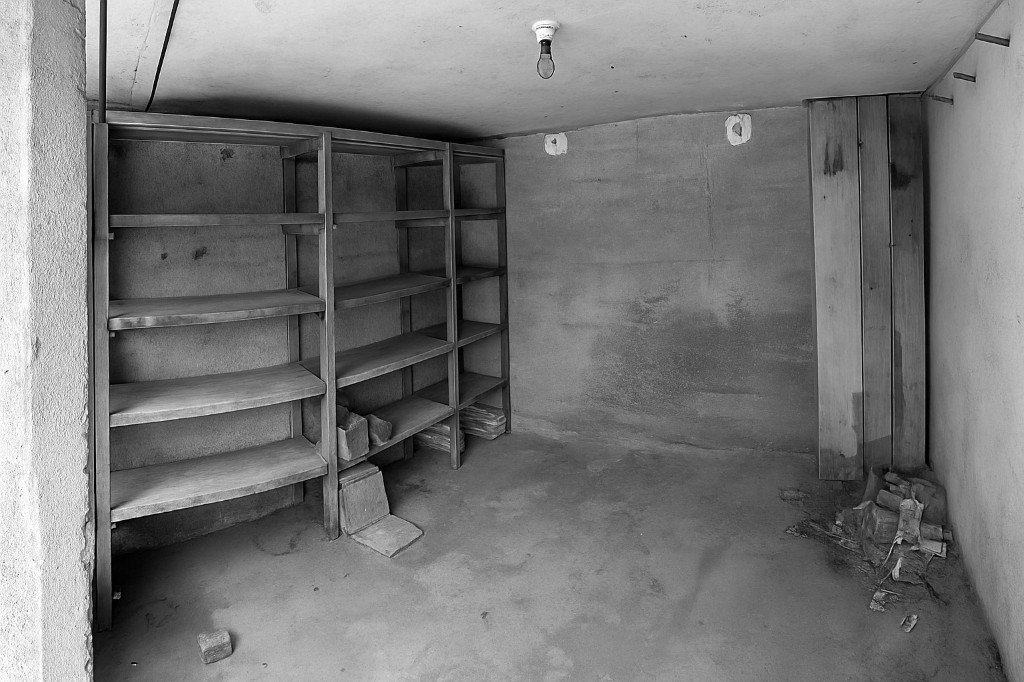
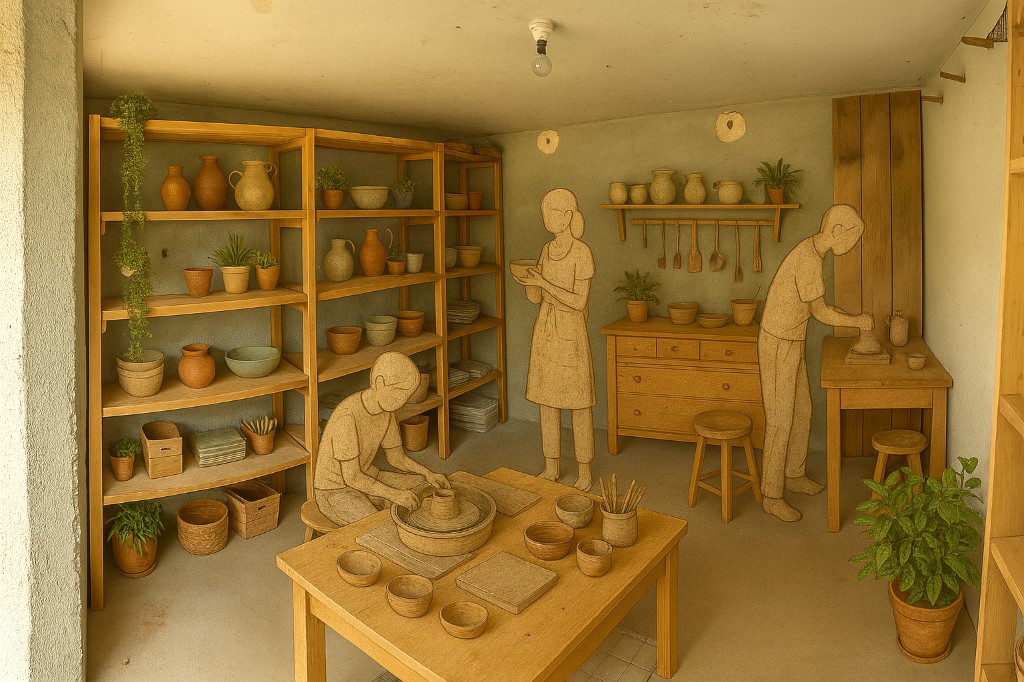
A ceramics workshop inside CaRina can become a space for shared learning, experimentation, and slow craft. Offering courses — short or intensive — open to temporary guests, residency groups, or people from the local area fits the spirit of the project perfectly: doing together, learning without haste, making objects that have a meaning, a use, a story.
Working the clay, shaping it, firing it, decorating it: each step is an act that connects mind, body, and matter.
The joinery workshop
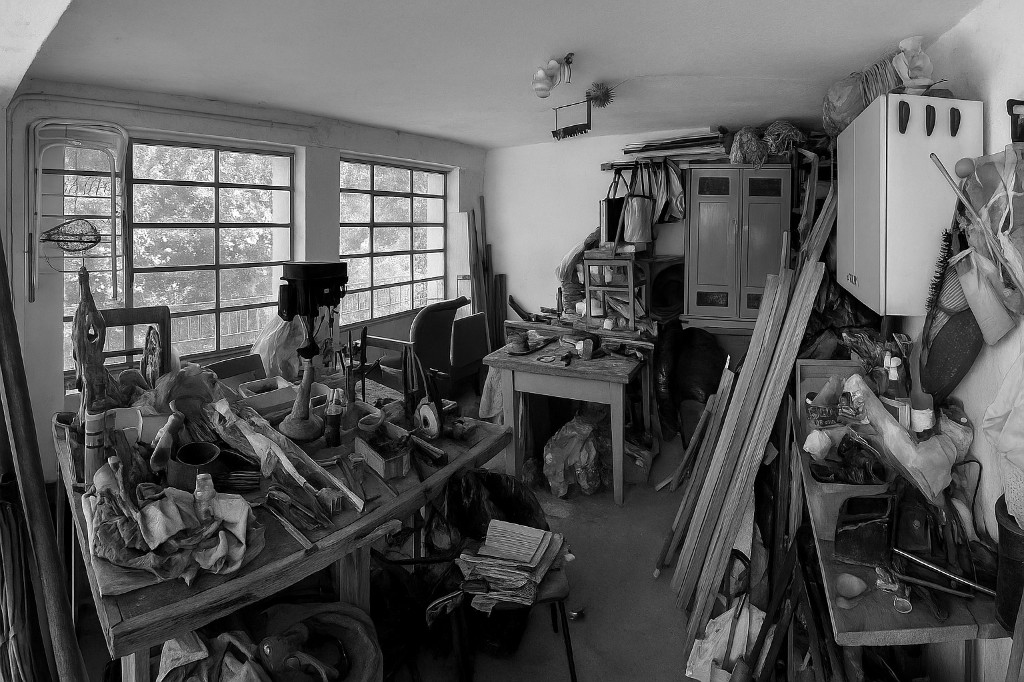
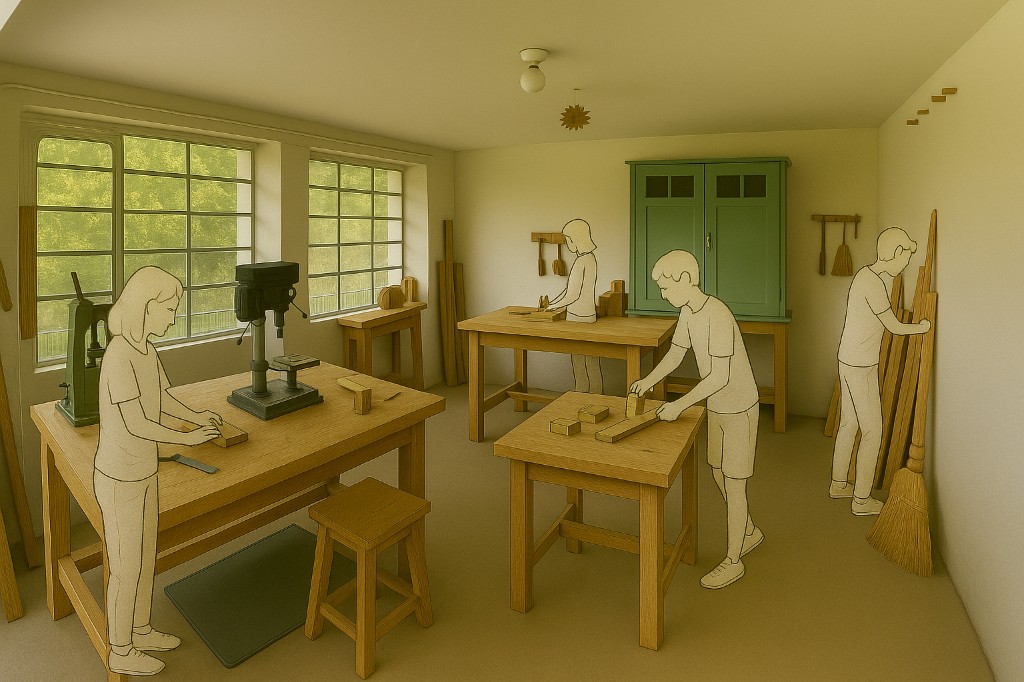
The joinery workshop at CaRina will be an equipped space for anyone who wants to work with wood — technically or creatively. It will be possible to build simple furniture, small pieces, structures that serve the house, but also to explore more expressive directions, such as sculpture or carving.
As well as practical support for self-building and maintaining the spaces, the workshop can host hands-on training or shared work sessions, with essential tools and materials that are, wherever possible, reclaimed or local. A living workshop — at the service of the project and of those who pass through it.
The mechanical workshop
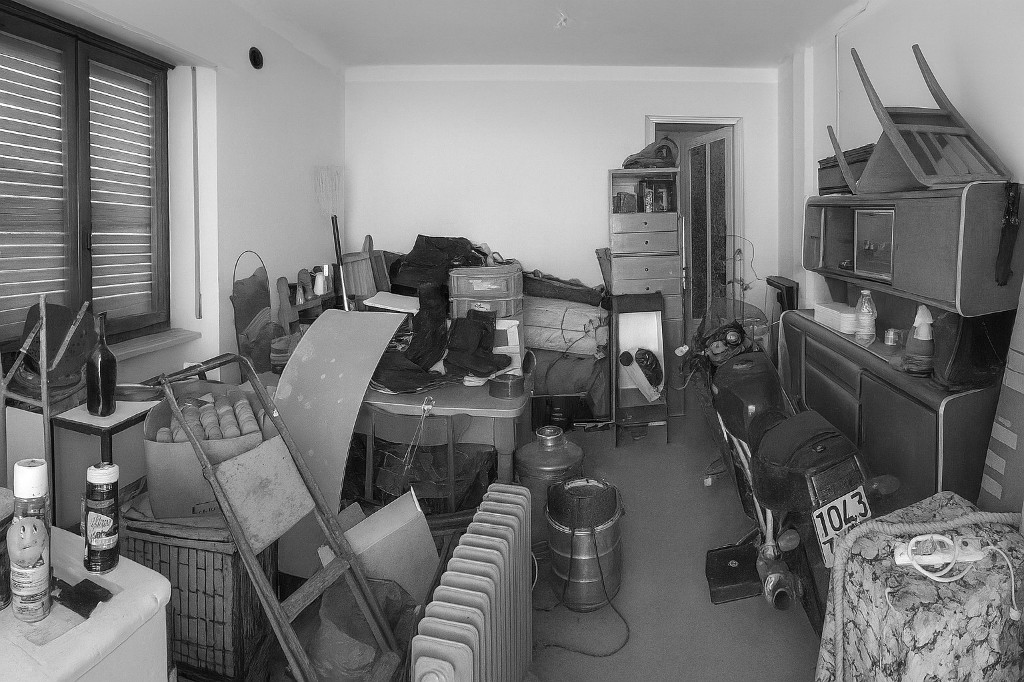
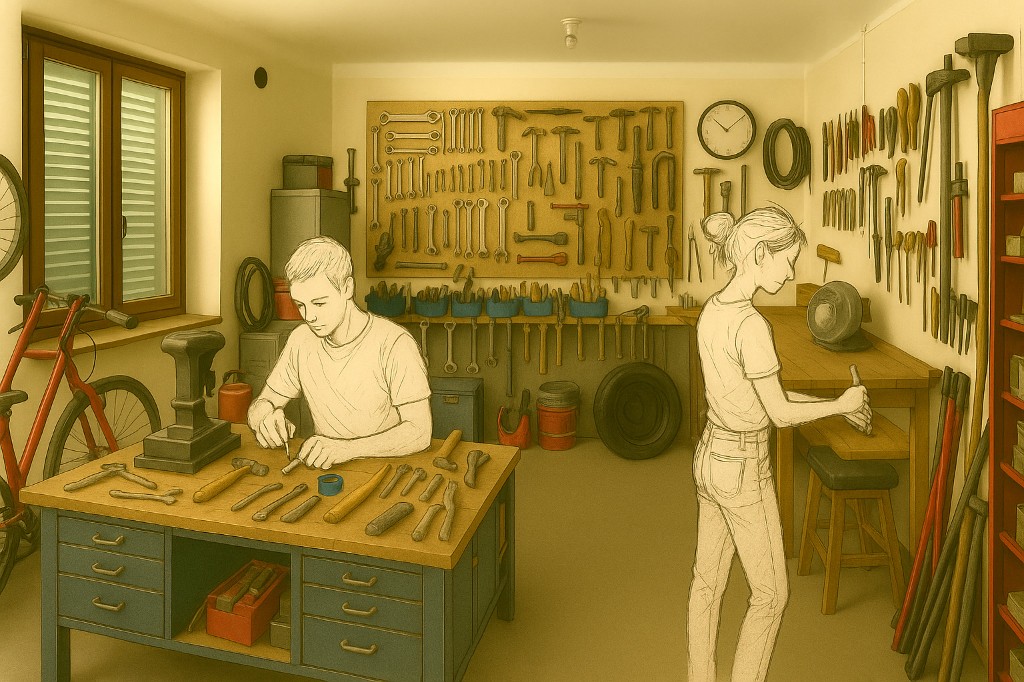
The mechanical workshop and bike workshop at CaRina are for people on the road, for those pedalling toward the mountains, for anyone who needs an equipped place to stop, adjust, and fix things. It is not there for the house: it is there for people.
It is an open space where those passing through can get to work on their own bike or a small mechanical project, with the right tools at hand. A technical corner, but approachable — for anyone who loves doing it yourself, maintenance, and caring for things.
The laundry
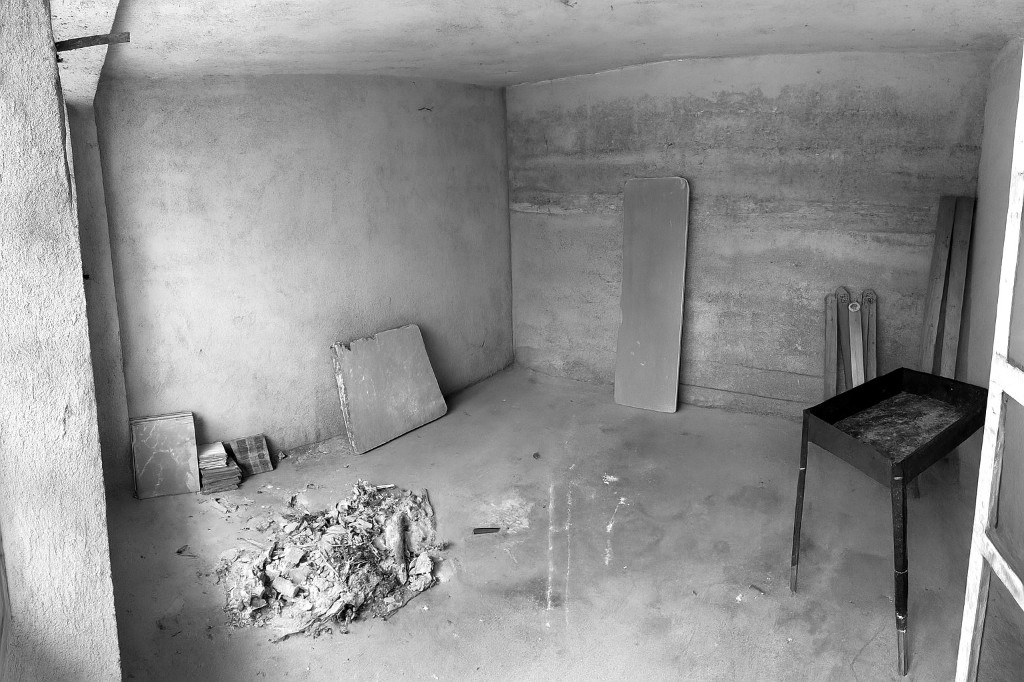
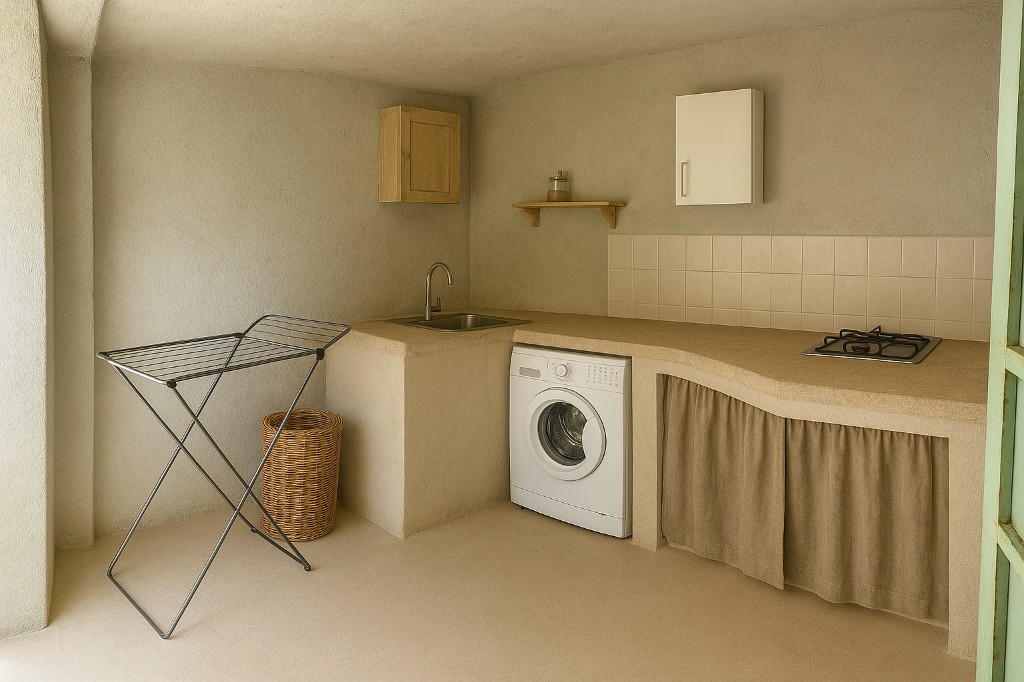
The laundry will be an essential shared space opening onto the garden. In the same room there will also be a small shared kitchen — for cooking something together, warming coffee, rinsing fruit, cooking in a simple way.
More than a service, it will be a corner of everyday life: washing, cooking, being together. An informal space between the domestic and the communal, inviting people to care for themselves and others through concrete gestures, without fuss. An extension of the house, close to the soil and to relationships.

Renovating a building
Recovering a building and a measure of vitality in a pre-Alpine community that is losing population.

Light hospitality
Short stays for people who work, research, create, or build something. Up to 12–14 beds. The exchange with those who are here — ideas, skills, time — is part of the experience.

Local economy
Building materials chosen from local and natural supply chains where possible; furnishings often reclaimed; priority to suppliers and craftspeople from the area.

Energy autonomy
Photovoltaics with storage, rainwater harvesting, plant-based water treatment, closed-loop kitchen garden. The end goal is a home that produces what it uses and is not dependent on the grid.